
A short overview over migration from India to Germany written in 2006. For more detailed and newer research see other contributions on urmila.de (Schlagworte / Index).
Newer Article: A History of Indian migration to Germany (2016)
Topics: early migration / students / nurses /asylum/ IT professionals / second generation
Note: This is the original version of my contribution to Brij Lal (2006, ed.), Encyclopedia of the Indian Diaspora, Singapore: Edition Didier Millet. The version printed on pp. 358-360 is not authorised by me and I object to the changes which were made.
by Urmila Goel (List of publications)
The largest ethnic minority in Germany is formed by the more than two million
migrants from Turkey and their descendants. Compared to these the 43,566 Indian
citizens who lived in Germany in 2003, estimated 17,500 PIO (Person of Indian
Origin) card holders and other people of Indian origin hardly matter. Due to the
small numbers and the particular migration history Indians are hardly noticed as
an ethnic group by the majority population. Most people of Indian origin live in
mainly German neighbourhoods, spending most of their time with Germans and only
occasionally meeting other people from the subcontinent.
Already before the First World War some Indians students and freedom fighters had come to Germany. It was an attractive destination as it had no part in the colonialisation of India and its universities were famous. The Indians founded an organisation to coordinate the activities of Indian nationalists abroad and gained the support of the German government for this. With the approaching defeat of Germany in the war the support however was withdrawn and political activism in Germany stopped. In the 1920s it was restarted when M.N. Roy opened a new office in Berlin and new students came. Most of them were socialists, thus and because of the racism against coloured foreigners their position in Nazi Germany deteriorated. Some were imprisoned, others left. A major change came when in 1941 Subhas Chandra Bose came to Germany to gain Hitler’s support for the Indian freedom struggle. Although Hitler was of the opinion that India should be ruled by Europeans, he supported Bose for strategic reasons. The Germans financed a magazine and the broadcasting station Azad Hind. They also formed an Indian legion within the SS, which fought in France. (>> Freiheitskämpfer_innen)
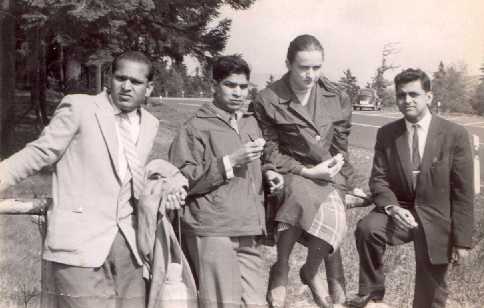 Soon after the end of the war the first students started coming again to Federal
Republic of Germany, and some also to the German Democratic Republic. In the
West the post-war economic miracle had created a need for qualified workers, the
universities were open for foreign students, Indians could enter the country
without a visa. Most of the single men, who came studied sooner or later. After
finishing their studies some went back, others migrated further and many stayed.
Of the latter many married German women, some married in India and brought their
wives to Germany. The Indian migrants entered the labour market in the highly
skilled sector, got good jobs and were socially and economically well integrated
in the middle class to which they also belonged in India. Already as students
they started forming societies, where they met others from the subcontinent.
They, however, hardly formed religious institutions, performing religious
rituals if at all in private. A Hindu temple in Frankfurt/Main was only
shortlived, others have not been established. The developments in Eastern
Germany were similar although on a much smaller scale. (>> Studierende)
Soon after the end of the war the first students started coming again to Federal
Republic of Germany, and some also to the German Democratic Republic. In the
West the post-war economic miracle had created a need for qualified workers, the
universities were open for foreign students, Indians could enter the country
without a visa. Most of the single men, who came studied sooner or later. After
finishing their studies some went back, others migrated further and many stayed.
Of the latter many married German women, some married in India and brought their
wives to Germany. The Indian migrants entered the labour market in the highly
skilled sector, got good jobs and were socially and economically well integrated
in the middle class to which they also belonged in India. Already as students
they started forming societies, where they met others from the subcontinent.
They, however, hardly formed religious institutions, performing religious
rituals if at all in private. A Hindu temple in Frankfurt/Main was only
shortlived, others have not been established. The developments in Eastern
Germany were similar although on a much smaller scale. (>> Studierende)
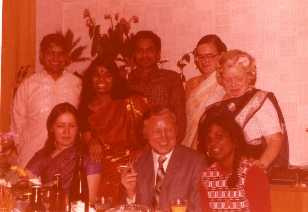 As a result of the West German economic miracle there was a shortage of staff in
the health sector in the 1960s. Catholic institutions started to recruit young
Christian women in Kerala to work as nurses in Germany. In contrast to the
student migrants, the young Malayalis came in groups and were provided with
their own religious and social infrastructure. The nurses lived together, spoke
Malayalam, there were Indian priests and social workers. Due to the economic
recession in the 1970s some of the German states no longer extended the work
permits of Indian nurses. Many had to return to India, some stayed as they were
married to Germans; others migrated to less restrictive states in Germany or
abroad. Thus the state of Nordrhine-Westphalia, which was more liberal than
others in extending work permits, developed into the centre of Malayali
settlement. Most of the nurses who stayed in West Germany had an arranged
marriage in India in the 1970s and brought their mostly graduate husbands back
with them. Due to the restrictive immigration policy the latter did not get a
permission to work for the first years of their stay. Few used this forced break
to qualify further, most stayed home, did some housework and looked after the
children. In the Malayali families there was thus a change of gender roles, with
the wives earning the money, knowing the German language and country, while the
husbands stayed at home and felt alien in Germany. One escape from the lacking
social functions for them was to establish sports and theatre groups a well as
Malayalam schools for their children, thus developing the Malayali
infrastructure in Germany further. When they finally got work permits, most of
them could only enter the labour market in the less skilled sector, which was
not only mostly below their Indian academic qualification but also below their
wife’s position. This degradation of the husbands in the economic and social
sphere led to many problems, which in extreme cases ended in alcoholism and
violence in the families. The specific migration history of the Malayalis
encouraged the development of Malayali communities in Germany, which were mostly
defined through different Christian affiliations The earlier migrants in
contrast had only formed networks but not communities.(>> Krankenschwestern)
As a result of the West German economic miracle there was a shortage of staff in
the health sector in the 1960s. Catholic institutions started to recruit young
Christian women in Kerala to work as nurses in Germany. In contrast to the
student migrants, the young Malayalis came in groups and were provided with
their own religious and social infrastructure. The nurses lived together, spoke
Malayalam, there were Indian priests and social workers. Due to the economic
recession in the 1970s some of the German states no longer extended the work
permits of Indian nurses. Many had to return to India, some stayed as they were
married to Germans; others migrated to less restrictive states in Germany or
abroad. Thus the state of Nordrhine-Westphalia, which was more liberal than
others in extending work permits, developed into the centre of Malayali
settlement. Most of the nurses who stayed in West Germany had an arranged
marriage in India in the 1970s and brought their mostly graduate husbands back
with them. Due to the restrictive immigration policy the latter did not get a
permission to work for the first years of their stay. Few used this forced break
to qualify further, most stayed home, did some housework and looked after the
children. In the Malayali families there was thus a change of gender roles, with
the wives earning the money, knowing the German language and country, while the
husbands stayed at home and felt alien in Germany. One escape from the lacking
social functions for them was to establish sports and theatre groups a well as
Malayalam schools for their children, thus developing the Malayali
infrastructure in Germany further. When they finally got work permits, most of
them could only enter the labour market in the less skilled sector, which was
not only mostly below their Indian academic qualification but also below their
wife’s position. This degradation of the husbands in the economic and social
sphere led to many problems, which in extreme cases ended in alcoholism and
violence in the families. The specific migration history of the Malayalis
encouraged the development of Malayali communities in Germany, which were mostly
defined through different Christian affiliations The earlier migrants in
contrast had only formed networks but not communities.(>> Krankenschwestern)
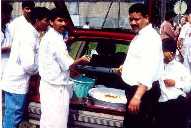 The increasingly restrictive immigration policy from the 1970s onwards resulted
in a considerable decrease of Indians coming to West Germany. Only spouses and
some students were allowed to enter legally, all the others who wanted to come
had to apply for asylum. In the 1980s many young Punjabis, most of them Sikhs
did this. Whether they were genuinely fleeing from political persecution, were
looking for a better life or both, cannot be easily determined. The German state,
in any case, did not grant them asylum as it argued they could find refuge
within India. Thus the Punjabi migrants could stay legally only during their
asylum process or if they married Germans. Many of them settled in the area
around Frankfurt/Main and established a Sikh infrastructure including gurdwaras
there. Few of them were able to enter the skilled labour force, most were forced
by their legal status and the lacking offers to integrate to do unskilled work.(>> Asyl)
The increasingly restrictive immigration policy from the 1970s onwards resulted
in a considerable decrease of Indians coming to West Germany. Only spouses and
some students were allowed to enter legally, all the others who wanted to come
had to apply for asylum. In the 1980s many young Punjabis, most of them Sikhs
did this. Whether they were genuinely fleeing from political persecution, were
looking for a better life or both, cannot be easily determined. The German state,
in any case, did not grant them asylum as it argued they could find refuge
within India. Thus the Punjabi migrants could stay legally only during their
asylum process or if they married Germans. Many of them settled in the area
around Frankfurt/Main and established a Sikh infrastructure including gurdwaras
there. Few of them were able to enter the skilled labour force, most were forced
by their legal status and the lacking offers to integrate to do unskilled work.(>> Asyl)
The end of the 1990s brought again a change in the immigration rules of the now unified Germany. Malayli nurses, whose work permit had not been extended in the 1970s, were now due to a new scarcity of health staff allowed to come back to Germany. The major change though came in the year 2000 when the German chancellor announced a “Green Card” for IT specialists. In the following years many young Indian IT professionals came, some bringing their families along. As a consequence the number of Indian citizens living in Germany went up from about 35,000 at the end of the 1990s to more than 43,000 in 2003. The new migrants live mainly in the urban centres like Munich and develop their own networks, suiting their particular needs. As they are allowed to stay only for five years in Germany, they are not settling down but are considered and consider themselves as sojourners. They keep looking for career opportunities in other countries, focus on their work and networks. Many hardly learn German and do not interact much with Germans. (>>neue Migration)
Before the debate about the ‘Green Card’ the image of India in Germany was one of poverty, suppressed women and spiritual superiority. Through the debate a new image of technologically advanced Indians was drawn, which irritated many Germans. The political campaign by the conservative opposition known under the slogan ‘Kinder statt Inder’ (children instead of Indians) against the liberalisation of immigration for the first time mentioned Indians in a xenophobic context.
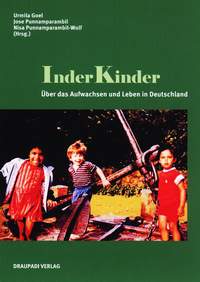 In the meantime the second generation of the established Indian migrants is now
developing into a new group of ‘Indians’ in Germany. Some of them still have the
Indian citizenship, many do not. The link to and knowledge of India differs
widely. Some travel there regularly, some do not. Few speak an Indian language
fluently; few practice an Indian religion strictly. They live like their parents
in a mainly German environment and differ like them by skin colour, names and
some family traditions. They also are different from their parents as Germany is
their first home. Due to this double otherness they need to develop their own
way of dealing with their status in Germany. For this they establish their own
spaces, organising in particular parties and building internet portals for
information and networking. Regional and even national distinctions have less
importance among the second generation than the first. Also some of Pakistani,
Bangladeshi or Afghan origin consider themselves as Indians of the second
generation as they equate Indianness with a common culture from the subcontinent.
Regional differences within India, in particular between the North and South,
which still are very influential among the networks of the first generation, are
often overcome by the second as they network on the basis of their common
language German. (>> zweite Generation / InderKinder)
In the meantime the second generation of the established Indian migrants is now
developing into a new group of ‘Indians’ in Germany. Some of them still have the
Indian citizenship, many do not. The link to and knowledge of India differs
widely. Some travel there regularly, some do not. Few speak an Indian language
fluently; few practice an Indian religion strictly. They live like their parents
in a mainly German environment and differ like them by skin colour, names and
some family traditions. They also are different from their parents as Germany is
their first home. Due to this double otherness they need to develop their own
way of dealing with their status in Germany. For this they establish their own
spaces, organising in particular parties and building internet portals for
information and networking. Regional and even national distinctions have less
importance among the second generation than the first. Also some of Pakistani,
Bangladeshi or Afghan origin consider themselves as Indians of the second
generation as they equate Indianness with a common culture from the subcontinent.
Regional differences within India, in particular between the North and South,
which still are very influential among the networks of the first generation, are
often overcome by the second as they network on the basis of their common
language German. (>> zweite Generation / InderKinder)
Even more than their parents the second generation is part of the German society. They were brought up and socialised there. German is their first language and Germany the place they know best. Two of them, Sebastian Edathy and Josef Winkler, are in 2005 Members of the German Parliament. Coming from economically well-off middle class families with a high education level, the members of the second generation Indians can access the skilled labour force much better than those of many other ethnic minorities. This will probably not be true for the still younger children of the later Punjabi migrants as their parents due to their particular migration history can not offer them as favourable starting conditions.
Although people of Indian origin have founded many associations in Germany, they are too few, too geographically scattered and differing in their interests for establishing any one of major importance. Several attempts to found an umbrella organisation were doomed to failure. Political participation is rather pursued in the German institutions. Apart from the two Members of Parliament on the federal level, there are some elected politicians on the municipal level. One of the few East German Indians, Ravi Gujjula, even became mayor in a small town outside Berlin.
Among the Indians in Germany there are rich business men as well as people depending on social welfare. The chances the individual migrant had depended very much on his or her particular migration history, the German immigration rules at that time and the state of the German labour market. The student migrants and nurses tend to distance themselves from the later Indian migrants, who had to apply for asylum and could not achieve the same social status as they did.
The challenge faced by Indians in Germany is to comfortably live with results of their migration. On the one hand they have to deal with xenophobic structures in the German society, on the other they have to accept that migration changes their lives and the way their children think and want to live.(>> Rassismus)
More information: